The ground it sits on
Iraq, in one lifetime
Two threads run down this page. One is the recent history of my country: public, documented, and checkable by anyone. The other is my own line through it — and what I choose to tell, and when, is mine, which is the same principle the counselling runs on.
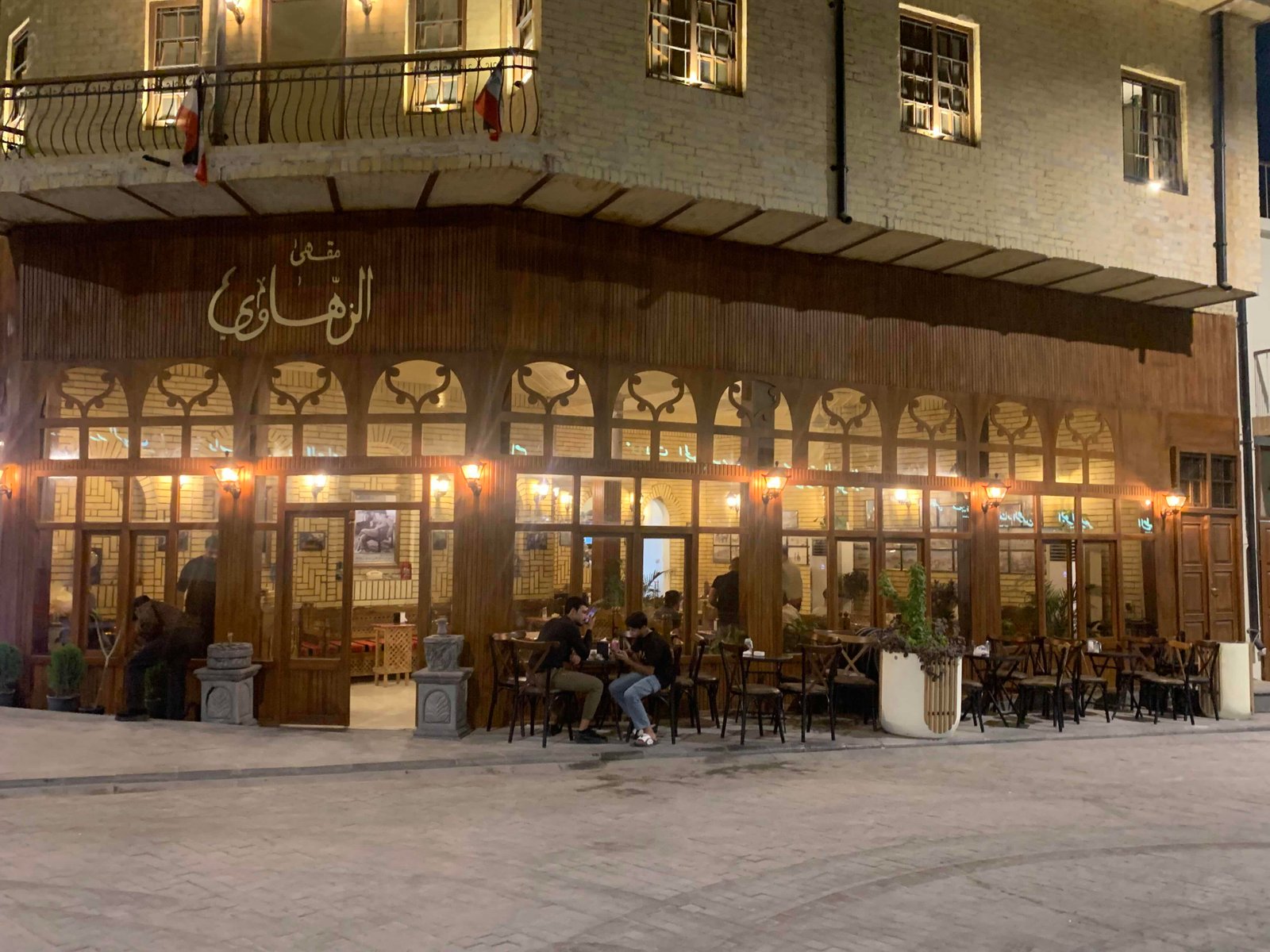
-
1980 – 1988
Eight years of war with Iran
Fought largely with conscripts, and including chemical weapons. A child born at its start finished primary school before it ended.
-
1990 – 1991
Kuwait, and the Gulf War
The air campaign destroyed power stations, water treatment and bridges — the infrastructure civilians live on, rather than the front line.
-
1990 – 2003
Thirteen years of sanctions
The scale of the human cost is disputed. That medicine, clean water, electricity and hospitals collapsed together and stayed collapsed for the whole of a childhood is not.
-
2003
Invasion, and occupation
The state, the army and the police were dissolved within weeks. What replaced them took years, and much of it never arrived.
-
2006 – 2008
The sectarian years
Neighbourhoods mixed for generations separated, often violently. This is the period that produced the largest movement of Iraqis abroad.
-
2014 – 2017
ISIS
A third of the country fell in weeks. At the peak the UN recorded more than three million people displaced inside Iraq — many of them displaced once already.
-
Throughout
And the marshes
In the south, marshes inhabited for five thousand years were drained in the early 1990s as a deliberate act against the people living in them. After 2003 some dykes were broken and the water returned. Not all of it. Not everywhere. UNESCO inscribed the marshes in 2016, and the craft of building a reed hall in 2023.
My line through it
This part is mine to tell
The passages below are deliberately empty. They are where my own account goes, and nobody else — including whoever built this website — should write them for me.
For Ali to write — leaving
Where you are from, and what leaving looked like. As much or as little as you want: this is the passage where “I am not going to describe that part” is itself worth a client reading, because it shows them they may do the same.
For Ali to write — arriving
Coming to Canada. The year, the route if you want to give it, and the thing nobody warns you about: that arriving somewhere safe is its own event, not simply the end of an unsafe one.
For Ali to write — the diagnosis
Muscular dystrophy: when you learned, and what changed. Written the way you want it read — not as a tragedy and not as a triumph.
For Ali to write — why this work
Why counselling, and why trauma. The single most-read paragraph on any counsellor’s website.
The chair, and the condition
Said plainly, once
I use a wheelchair. I have muscular dystrophy, which means muscle weakens over time. Neither is a secret and neither is the point of me.
They are on this website for one practical reason. A disabled client deciding whether to contact a counsellor is calculating whether they will have to explain themselves, justify their fatigue, or manage someone else’s discomfort about a body. Here, they do not.
The language on this site is deliberate. I am a wheelchair user, not “wheelchair-bound”. I have muscular dystrophy; I do not “suffer from” it. And none of it is offered as inspiring, because a disabled person doing their job is not a moral lesson for anyone else.
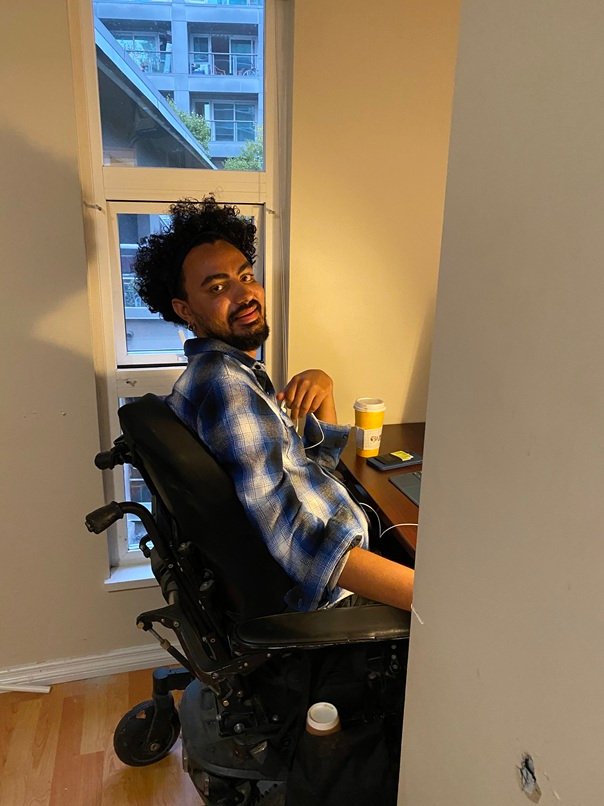
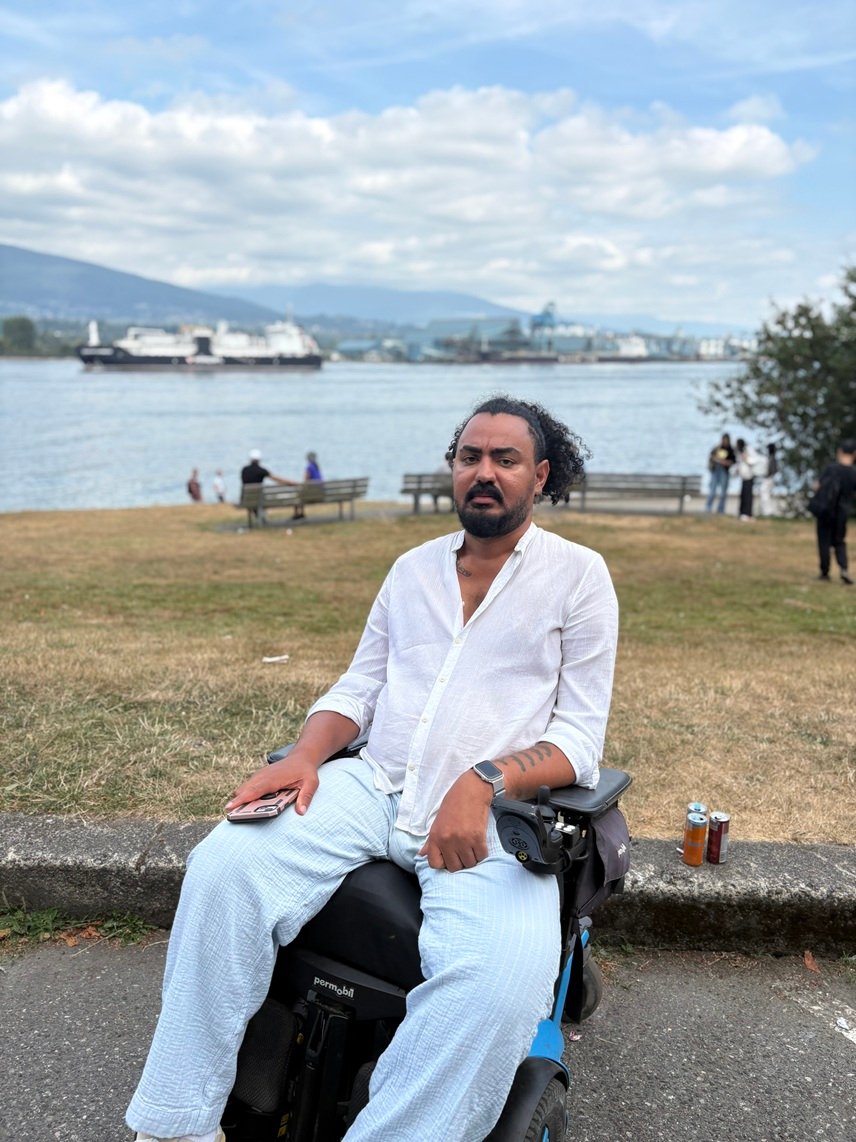
I am not battling it, fighting it, or overcoming it. I have it, I live with it, and I have built a working life around what it actually permits — which is a great deal, and which is not the same as pretending it permits everything.
Qualifications
Canadian Certified Counsellor
I am a Canadian Certified Counsellor (CCC), the designation granted by the Canadian Counselling and Psychotherapy Association.
A word about titles in British Columbia, because it is genuinely confusing and you deserve a straight answer: at the time of writing, “counsellor” is not yet a protected title here. That means the letters after a name are doing real work. CCC requires master’s-level education, supervised practice, ongoing professional development, and accountability to a published code of ethics with a complaints process behind it. Ask any counsellor in BC what their credential requires and who holds them to it. Ask me.
To be confirmed before launch
Education, training and registration numbers. The degree and institution; the CCC certification number; any additional registration such as BCACC / RCC; and the specific trauma trainings completed. Nothing has been guessed at here — a counsellor’s training is a verifiable claim and it is the client’s right to check it.